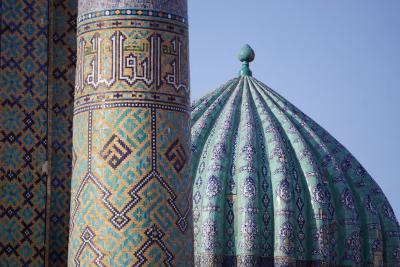
Fotos Uzbekistán 1/6 - Khiva (30 marzo – 1 abril 2024) (208 fotos)
Fotos Uzbekistán 2/6 - Nukus y fortalezas de Khorezm (31 marzo 2024) (255 fotos)
Fotos Uzbekistán 3/6 - Bukhara (1-3 abril 2024) (218 fotos)
Fotos Uzbekistán 4/6 - Aman Kutan y Shahrisabz (4 abril 2024) (115 fotos)
Fotos Uzbekistán 5/6 - Samarkanda (3-5 abril 2024) (138 fotos)
Fotos Uzbekistán 6/6 - 100 minutos por Tashkent (5 abril 2024) (44 fotos)
Video 1 - Hubiera dicho que ¨Tahoratxona¨ era el nombre de un txoko… (40¨)
Video 2 - Oxigenándome en las montañas de Aman Kutan. Uzbekistán, 4 de abril de 2024 (2´54¨)
Video 3 - Imágenes de Uzbekistán (3´57¨)
Video 4 – Talgo en Uzbekistán (Samarkanda, 5 de marzo de 2024) (31¨)
Ruta seguida – Sports Tracker
¿POR QUÉ IR A UZBEKISTÁN?
Del 30 de marzo al 5 de abril he estado viajando por Uzbekistán. ¿Por qué ir a este país? Así lo describe la guía Lonely Planet (tengo la original en inglés, estos párrafos están traducidos con ChatGPT):
¨La cuna de la cultura de la región durante más de dos milenios, Uzbekistán es el orgulloso hogar de un fascinante arsenal de arquitectura y ciudades antiguas, todas profundamente impregnadas con la sangrienta y fascinante historia de la Ruta de la Seda. En cuanto a lugares de interés, Uzbekistán es el mayor atractivo y espectáculo más impresionante de Asia Central. Samarcanda, Bujará y Jiva nunca dejan de impresionar a los visitantes con sus fabulosas mezquitas, madrazas y mausoleos, mientras que sus atracciones más excéntricas, como el Mar Aral que desaparece rápidamente, las fortalezas del remotísimo Karakalpakstán, su próspera capital Tashkent y las oportunidades de ecoturismo de las montañas de Nuratau, significan que incluso los gustos más diversos pueden ser atendidos. A pesar de ser un estado policial duramente gobernado, Uzbekistán sigue siendo un país extremadamente amigable donde la hospitalidad sigue siendo un elemento esencial de la vida diaria y serás recibido con verdadera amabilidad por las personas que encuentres¨.
ITINERARIO
Este fue mi itinerario:
Viernes 29 de marzo de 2024: Vuelo Indigo 6E 1805 Delhi T3 (22:20) – Tashkent T2 (01:05+1) – Vuelo de 3h15´ (Entre Nueva Delhi y Taskhent hay una diferencia horaria de 30´)
Sábado 30 de marzo: Vuelo Uzbekistán Airways HY-51 Tashkent T3 (07:20) – Urgench (08:50) – Vuelo de 1h30´
Noches del 30 y 31 de marzo en el Hotel Islambek de Khiva.
Lunes 1 de marzo: Tren Khiva (11:10) – Bukhara (18:14) – Duración = 7h04´
Noches del 1 y 2 de abril en el Hotel Samani de Bukhara.
Miércoles 3 de abril: Tren Bukhara (16:31) – Samarkanda (18:57) – Duración = 2h26´
Noches del 3 y 4 de abril en el Jahongir Guest House de Samarkanda.
Viernes 5 de abril: Tren Samarkanda (16:59) – Tashkent (19:27) – Duración = 2h28´
Sábado 6 de abril: Vuelo Indigo 6E 1806 Tashkent T2 (00:50) – Delhi T3 (04:05) – Vuelo de 3h45´
Mi intención a la hora de planificar el viaje era haberme vuelto el domingo 7 de abril, en un vuelo con Uzbekistán Airways, HY 425 Tashkent (19:15) – Nueva Delhi (22:45). Hubiera extendido así un par de días más el viaje. Sin embargo me fue imposible comprar ese vuelo en la página Web de la compañía. Cada vez que metía la tarjeta de crédito fallaba y me enviaba un correo electrónico. Y ansioso que es uno, entre el 8 y el 9 de marzo tengo contabilizados 15 correos electrónicos, de Octo, la plataforma de pago, informándome de que el pago se cancelaba al superar el tiempo máximo.
Posteriormente tuve que pasar otra vez por la página Web de Uzbekistán Airways, para comprar el vuelo de Tashkent a Urgench. Volvió a fallar y decidí comprarlo a través de la plataforma Yatra, que funcionó bien. Así que mi recomendación es, si tenéis problemas a la hora de usar la Web de Uzbekistán Airways, comprad el billete a través de cualquier página Web de viajes.
A la hora de comprar los billetes de tren online a través de la Web de trenes de Uzbekistán (Uzbekistan Railways) no tuve ningún problema. Sin embargo sí que leí en foros en Internet a los que me había apuntado que mucha gente estaba teniendo problemas al intentar pagar online.
VIERNES 29 DE MARZO DE 2024. VUELO DELHI (INDIA) – TASKHENT (UZBEKISTÁN)
Este viernes toca currar. Salgo a las 4pm, me doy una vueltilla con la moto para que no se quede parada mucho tiempo, hago la mochila (como siempre a última hora) y a las 7pm cojo un Uber al aeropuerto, para tomar el vuelo Indigo (compañía india) 6E 1805 Delhi T3 (22:20) – Tashkent T2 (01:05+1). Hay 30´ de diferencia horaria entre India y Uzbekistán así que la duración del vuelo es de 3h15´.
Para Uzbekistán, siendo español, no hay que preocuparse de visado. No hay ni que hacer visado al llegar (visa on arrival), simplemente te sellan el pasaporte y para dentro, así que algo menos de lo que preocuparse.
En el aeropuerto de Delhi coincido con las profesoras de francés y de matemáticas de la middle school de mi escuela, Letycja y Tammy. Van y vuelven en los mismos vuelos pero no llegamos a coincidir en el país.
SÁBADO 30 DE MARZO DE 2024. TASHKENT – URGENCH – KHIVA
Aterrizamos a la 1:05 am en la Terminal 2 del aeropuerto de la capital uzbeka, Tashkent. Letycja y Tammy se quedan ese día en Tashkent, yo continúo mi ruta.
La terminal de llegadas de Tashkent es muy pequeñita, pero tiene lo necesario:
-una oficina de cambio de moneda donde cambio euros a soms, la moneda local.
-un mostrador donde puedes comprar una tarjeta de teléfono local, con un buen plan de datos para tu estancia. En el país el 5G funcionaba de maravilla y estuve conectado todo el tiempo.
Recomendación – Instálate la aplicación YandexGo en tu teléfono.
En Uzbekistán no funciona Uber, pero tienes una aplicación similar llamada YandexGo.
Si has comprado un sim local ya tienes un número de teléfono. Así que te puedes dar de alta en la aplicación con ese número uzbeko. A la hora de reservar un vehículo puedes poner el medio de pago ¨en efectivo = cash¨ y listo. Yo tardé unos días en instalarme esta aplicación. A la salida de estaciones de tren o al coger un taxi la negociación era un rollazo, y después de instalar la aplicación vi que pese a que había rebajado bastante los precios en las negociaciones, todavía me estaban los taxistas tangando bastante con relación al precio en la aplicación YandexGo. Así que recomendación, bajaos la aplicación nada más llegar. Veréis que los taxis son súper baratos usando esa aplicación. Así que dejad buena propina, que todavía os saldrá más económico que negociando el precio, si sois tan malos como yo negociando.
A las 7:20 am tenía otro vuelo de Tashkent a Urgench. Tenía 6h15´ de espera entre uno y otro, pero no consideré la opción de quedarme en Tashkent a dormir:
-porque prefiero evitar las ciudades grandes.
-solo tenía 6 noches y tenía otras prioridades.
-en cualquier caso, si te quedas en Taskhent para no estar 6h15´ en un aeropuerto, al día siguiente tendrías que pegarte madrugón, porque en un vuelo doméstico tienes que estar dos horas antes del vuelo para el check-in (05:20), contando que tienes 30´ de transporte del hotel a aeropuerto (04:50) y que te levantas una hora antes tendrías que poner el despertador a las 3:50am. Con esta mentalidad, llegando a Tashkent a la 1:05 parece que solo tienes que esperar de más 2h45´.
La llegada a Tashkent la hice al aeropuerto internacional, que es la Terminal 2. El vuelo a Urgench salía desde la terminal doméstica, la Terminal 3. Entre la T2 y la T3 hay 5 kilómetros, así que hay que coger un taxi. La T3 está abierta 24 horas así que no hay problema llegando pronto, te puedes meter, tomarte un café y esperar tu vuelo.
Me senté con la intención de dormir un rato hasta que abrieran el mostrador de facturación pero no pudo ser. Un chico uzbeko muy majo, Ruslan, vino a charlar un rato conmigo. En toda la terminal estaríamos unas 4 personas. Hablaba inglés muy bien y me dijo que era profesor de inglés. Que era de un pueblo de Karakalpakstan, pero que había emigrado a Kazajistán por motivos de salud. Decía que en Karakalpakstan mucha gente tenía problemas de salud, con los riñones y demás, por ser un ambiente muy salino. Luego viajando por la zona lo entendí un poco mejor. Es un desierto y se ven grandes extensiones blancas de sal.
A la hora de hablar con él tampoco sabía nada de la historia de Karakalpakstan, tenían que haber leído un poco más pero lo dejé para hacerlo sobre la marcha. Luego contaré un poco más sobre esta república autónoma de Uzbekistán.
También, leyendo sobre la marcha aprendí sobre la importancia del algodón en Uzbekistán. Dice así la guía Lonely Planet:
¨Para bien o para mal, la economía de Uzbekistán baila al ritmo del "Oro Blanco". El país es el quinto productor mundial de algodón y el cultivo genera al estado más de mil millones de dólares al año. La verdad sea dicha, el algodón es, y siempre fue, una elección pobre para gran parte de Uzbekistán; es un cultivo sediento en una tierra árida. Décadas de monocultivo que han llevado a la desaparición del Mar de Aral también han agotado la tierra y la han saturado de sal. Los bajos rendimientos y los precios controlados por el gobierno dejan a los agricultores demasiado pobres para pagar maquinaria o mano de obra. Sin embargo, el gobierno no les permite rotar sus cultivos o cambiar a frutas. Todo es algodón, todo el tiempo.
Todo el sistema colapsaría por completo si no fuera por la política del país de enviar forzosamente a estudiantes, médicos, empleados gubernamentales y otros, incluidos niños, a los campos cada otoño para cosechar algodón. La práctica ha recibido condena internacional y boicots de productos elaborados con algodón uzbeko por parte de Wal-Mart y otros gigantes de la industria de la confección occidental.
El gobierno uzbeko, que siempre ha negado todas las acusaciones, finalmente aprobó una ley en 2009 que prohíbe el trabajo forzoso de niños menores de 16 años. Según la Campaña del Algodón, la ley no ha tenido efecto en el trabajo forzoso de adultos, estimando que cuatro millones de adultos son obligados a trabajar en los campos de algodón de Uzbekistán, cada uno de los cuales tiene una cuota diaria de 60 kg de algodón que deben recoger. Viaja por Uzbekistán o Karakalpakstán en otoño y verás miles de personas en los campos¨.
Me hubiera gustado preguntarle a Ruslan sobre su experiencia, porque leí que en muchas instituciones las clases se detenían durante la cosecha y profesores y estudiantes tenían que recoger algodón. Quisieran o no.
En España hablar diferentes lenguas parece el resultado de una buena formación. Si no, te quedas con el español, la lengua autóctona si es el caso y cada vez más común el inglés. En India me fascina ver cómo la gente viene de serie con un montón de lenguas, y era el caso también de Ruslan. Por ser Uzbeskistán parte de la URSS hasta 1991 hablaba ruso. También uzbeko, kazajo, karakalpako y la lengua en la que nos comunicábamos, inglés. Cinco.
Cuando la conversación se alarga un poco suele surgir la pregunta ¨¿y cuánto ganas como profesor en India?¨. Es una pregunta que en nuestra cultura española nos parece de mala educación hacer, pero que en muchas culturas es común preguntar. Lancé el balón fuera y luego él me dijo lo que se ganaba en Uzbekistán como profesor, un salario ba-jí-si-mo.
Su vuelo salía 30 minutos antes que el mío, así que se abrieron su facturación y se metió en la zona de embarque. Cuando más tarde entré yo me lo encontré tumbado dormido y vi que estaban haciendo la última llamada a su vuelo. Lo desperté y de milagro cogió su vuelo a Nukus. Un tío muy majo el Ruslan, espero que le vaya bien en Kazajistán. Ha emigrado hace pocos meses allá y ahora volvía a visitar a sus padres.
De Tashkent aterricé en Urgench, una ciudad al oeste, y cogí un taxi a Khiva a unos 30 kilómetros. Ahí me alojaría las dos siguientes noches, en el Hotel Islambek. Así describe la guía Lonely Planet la ciudad de Khiva (50.000 habitantes):
¨El nombre de Jiva, evocador de caravanas de esclavos, crueldad bárbara, terribles travesías por el desierto y estepas infestadas de guerreros turcomanos saqueadores, infundía miedo en todos excepto en los corazones más valientes del siglo XIX. Hoy en día es una antigua ciudad de la Ruta de la Seda amigable y acogedora que está bien preparada para el turismo.
El corazón histórico de Jiva (Xiva) ha sido tan bien conservado que a veces se critica como "ciudad museo". Pero al atravesar las puertas de la ciudad y recorrer la legendaria Ichon-Qala (ciudad amurallada interior) en todo su esplendor monocromático de paredes de barro, es difícil no sentir que estás dando un paso atrás en el tiempo.
Intenta pasar al menos una noche en Jiva. La antigua ciudad está en su mejor momento al amanecer, al atardecer y por la noche, cuando las siluetas iluminadas por la luna de los inclinados minaretes y madrazas, vistas desde los callejones serpenteantes, ejercen su verdadera magia¨.
DOMINGO 31 DE MARZO DE 2024. KHIVA – URGENCH – NUKUS – KHOREZM – KHIVA
A través del hotel reservé una excursión para hoy. Visitaría Nukus, la capital de Karakalpastán, y cuatro fortalezas en el desierto de Kyzyl Kum.
En Nukus únicamente visité el Museo Savitsky. Así lo describe la guía Lonely Planet:
¨El Museo Savitsky alberga una de las colecciones de arte más notables de la antigua Unión Soviética. Cerca de la mitad de las pinturas fueron traídas aquí en la época soviética por el artista y etnógrafo Igor Savitsky, quien logró preservar toda una generación de obras de vanguardia que fueron prohibidas y destruidas en otros lugares del país por no conformarse al realismo socialista de la época.
Las pinturas encontraron protección en estos remotos rincones (Nukus, después de todo, siendo literalmente el último lugar donde buscarías algo) y es interesante escuchar cómo este museo no conformista sobrevivió durante la era soviética. Un recorrido guiado en inglés realmente puede ayudar a contextualizar la colección y sirve como una introducción a las fascinantes historias detrás de muchas de las pinturas.
El museo posee alrededor de 90.000 artefactos, incluyendo más de 15.000 pinturas, solo una fracción de las cuales se exhiben realmente. El museo también cuenta con algunas exhibiciones arqueológicas de las fortalezas de Elliq-Qala, incluyendo osarios zoroástricos de Shilpik (Chilpak) y una estatua de bodhisattva de Guldursan. También hay algunas exhibiciones etnográficas, con una fina colección de joyas, bolsas de camellos y joyas de bodas¨.
De camino a Nukus se pasa un arco que te indica la entrada a la República de Karakalpastan. Junto con las doce provincias y la ciudad capital Tashkent conforman la república de Uzbekistán. La bandera es muy similar a la de Uzbekistán, con la diferencia de que la franja intermedia es amarilla y no blanca. Así describe la guía Lonely Planet Karakalpastán:
¨Si te atrae la desolación, te encantará la República de Karakalpakstán, una república teóricamente autónoma dentro de Uzbekistán. La destrucción del Mar de Aral ha convertido a Karakalpakstán en una de las regiones más deprimidas de Uzbekistán. La capital, Nukus, se siente medio desierta, y un viaje a las áreas periféricas revela una región de pueblos moribundos y paisajes arruinados. Lo que una vez floreció como un rico delta, una rama de la Ruta de la Seda y un gran centro islámico de aprendizaje, ahora parece el fin del mundo.
Entonces, ¿por qué venir aquí? Los amantes del arte son atraídos al famoso Museo Savitsky en Nukus por una gran colección de arte vanguardista soviético. Los aventureros vienen por el remoto viaje en 4x4 para bañarse en el moribundo Mar de Aral. Los viajeros por tierra vienen en busca de cruces de frontera remotos a Turkmenistán y el oeste de Kazajistán. Y más allá de eso, es una región peculiar llena de gente amigable. ¡Además, es como otra "tierra" para añadir a tu lista!
Una buena Web sobre la región es Karakalpak.com¨
De ahí fuimos a visitar 4 fortalezas antiguas. Así las describe la guía Lonely Planet:
¨Elliq-Qala
Las enigmáticas ruinas de más de una docena de ciudades amuralladas, palacios y fortalezas, algunas con más de 2000 años de antigüedad, se yerguen medio olvidadas en el semidesierto al este y al norte de Urgench, en el sur de Karakalpakastán. Son los restos de una cadena de asentamientos fortificados que alguna vez formaron la frontera entre el delta cultivado y los nómadas de la estepa. Con ayuda de la UNESCO, los funcionarios de turismo locales han denominado a esta área el "Anillo Dorado de la Antigua Khorezm". El nombre tradicional del área es Elliq-Qala (Cincuenta Fortalezas).
Para los aficionados a la historia antigua, los arqueólogos aficionados y cualquier persona con un espíritu aventurero al estilo de Indiana Jones, esta es un área que no debe perderse. Los entusiastas del aire libre y la naturaleza también encontrarán actividades para mantenerse ocupados, desde explorar las ruinas de las qala (fortalezas) hasta hacer trekking en camello cerca de Ayaz-Qala.
Los observadores de aves querrán llevar sus binoculares al Reserva Natural de Badai-Tugai, un bosque de tugai (árboles, arbustos y plantas resistentes a la sal únicos de Asia Central) que alberga 91 especies de aves y 21 especies de mamíferos. Está justo al lado de la carretera principal, a unos 60 km al norte de Urgench, y es mejor visitarlo en un viaje temprano por la mañana desde Jiva. En el momento de escribir esto, la parte central de la reserva, que contiene la mayoría de la flora y fauna de interés, incluido el ciervo de Bujará, estaba cerrada a los visitantes.
Atracciones
Hay alrededor de 20 fortalezas que se pueden explorar aquí hoy, y quién sabe cuántas más quedan por descubrir (el apodo de "Cincuenta Fortalezas" es solo una aproximación). Las qalas más impresionantes son la colina Ayaz-Qala y la históricamente significativa Toprak Qala. Otras fortalezas como Guldursun y Janbas Qalas son interesantes principalmente por la escala de sus murallas defensivas¨.
Estas son las 4 fortalezas que visité, en este orden:
1.- Chilpik Qala:
Es una dakhma (=torre del silencio) utilizada por personas de la fe zoroástrica para la exposición de los muertos. Los cuerpos eran colocados bajo el cielo abierto para que las aves se los comieran. Cuando los huesos eran retirados, las familias los recogían y los colocaban en osarios de arcilla o piedra para su entierro. El edificio fue originalmente construido en los primeros siglos de nuestra era, pero experimentó una fase de reconstrucción en los siglos VII y VIII.
2.- Kizil Qala:
Fue construido originalmente en el periodo de la Antigüedad Tardía, del siglo I al IV de nuestra era, pero fue abandonado y luego reconstruido en los siglos XII y XIII en vísperas de las invasiones mongoles. Existe cierto debate sobre cómo esta fortaleza pudo haber sido utilizada en tiempos antiguos, con algunos académicos proponiendo que era un cuartel para tropas, mientras que otros sugieren que era un ejemplo temprano de las muchas casas fortificadas que eran típicas de Khorezm en los primeros periodos medievales.
3.- Toprak Qala:
Esta fortaleza, ubicada a unos 10 km al oeste de Boston, fue el principal complejo de templos de los reyes de Khorezm que gobernaron esta área en los siglos III y IV. Las numerosas salas del palacio principal aún están claras y se puede distinguir el templo central del fuego zoroastriano. La fortaleza fue abandonada en el siglo VI.
4.- Ayaz-Qala:
La impresionante Ayaz-Qala, construida con barro, ubicada a 23 km al norte de Boston (Bustan), es en realidad un complejo de tres fortalezas. Su apogeo fue en los siglos VI y VII. Desde el estacionamiento, camine hasta las ruinas en la cima de la colina y luego camine hasta la pequeña mansión defensiva debajo. Es posible pernoctar o almorzar en el Campamento de Yurtas Ayaz-Qala, pero es esencial llamar con anticipación¨.
Vuelta a Khiva, que es un pueblo encantador. Las dos noches cené en un par de restaurantes con terraza con vistas a los minaretes y mezquitas.
No conocía prácticamente nada de Uzbekistán antes de viajar allá. Por esa razón no me esperaba que fuera un país muy turístico. Sin embargo lo es, hordas de turistas en grupo invadían las ciudades y español era una lengua que se escuchaba continuamente. La arquitectura de Uzbekistán es espectacular, pero si tuviera que re diseñar ahora mi itinerario, con lo que he visto, en lugar de visitar las tres ciudad importantes, Khiva, Bukhara y Samarkanda, me saltaría una de ellas, volaría directamente a Nukus en lugar de a Urgench y dedicaría un día para viajar al Mar de Aral. Por la siguiente razón:
-en esta excursión a las fortalezas prácticamente no vi turistas. Al igual que cuando el 4 de abril viajé a Aman Kutan. Eso es un gran plus para mí, y una visita al Mar de Aral iría en esa línea y tiene que ser espectacular.
-las tres ciudades son absolutamente maravillosas. Pero visitando las tres acabas con un gran empacho de mezquitas, madrasas y minaretes. Por poner un ejemplo, es como si vas a España y en tres días visitas 15 catedrales e iglesias. No tiene demasiado sentido.
Opinión personal, pero por si a alguien le vale.
LUNES 1 DE ABRIL DE 2024. KHIVA – BUKHARA
Tomo el tren de Khiva (11:10) a Bukhara (18:14). Son 7h04´ de viaje, en un vagón con literas. Uzbekistán es un país musulmán y durante esta época está celebrando el Ramadán. Sin embargo van pasando vendedores por los vagones vendiendo comida y bebida, incluido cerveza, lo que de alguna manera me sorprendió. En los dos siguientes trenes que tomé seguían vendiendo cosas, pero no cerveza.
Durante todo el trayecto vas viendo por la ventanilla el desierto Kyzyl Kum.
MARTES 2 DE ABRIL DE 2024. BUKHARA
Así describe la guía Lonely Planet la ciudad de Bukhara (población = 263.000):
¨La ciudad más sagrada de Asia Central, Bujará (Buxoro), cuenta con edificios que abarcan mil años de historia, y un centro antiguo completamente habitado y cohesionado que apenas ha cambiado en dos siglos. Es uno de los mejores lugares en Asia Central para vislumbrar el Turkestán pre-ruso.
La mayor parte del centro es un patrimonio arquitectónico, lleno de madrazas y minaretes, una enorme fortaleza real y los restos de un complejo de mercado que alguna vez fue vasto. Los esfuerzos de restauración del gobierno han sido más sutiles y menos indiscriminados que en la más llamativa Samarcanda. Las opciones de alojamiento de la ciudad son, con mucho, las mejores y más atmosféricas del país.
Necesitarás al menos dos días para ver los principales lugares de interés. Intenta darte tiempo para perderte en la ciudad antigua; es fácil sobredosis con los más de 140 edificios protegidos y perder la visión general por sus numerosas partes¨.
Un par de curiosidades:
Bukhara Tower:
Enfrente de una fortaleza llamada ¨The Ark¨ hay una estructura llamada Torre Bukhara, o Torre Shukhov, en honor a V.G. Shukhov quien diseño esta torre de agua que se construyó entre 1927 y 1929. En 1968 se quemó y esta torre perdió su función original. Posteriormente se reabrió como restaurante y mirador, y fue en 2018 cuando un francés y su esposa invirtieron en su reapertura. Casualidad, cuando estaba visitando la torre, que tiene un mirador excelente, coincidí con este francés y estuvimos charlando un largo rato. Me estuvo contando cómo vino a Uzbekistán la primera vez, cómo han invertido en esta torre y unas cuantas historias. ¡Muy majo el tío! En un momento me dijo ¨ven, que te voy a poner un video de la historia de esta torre¨, y ahí lo estuvimos viendo juntos (en el video aparecían él y su mujer). Simpático el hombre.
Bozori Kord Hammon:
Por la noche me fui a un hamman. Ya había estado en uno hace mil años, en Marruecos con Ruben, Driss y su colega, y es una buena experiencia. En Hamman que visité es del siglo XVI y lleva desde entonces en funcionamiento. Entras, te cambias, y te pones una sábana que te dan. Pasas a una sala donde sudas durante unos 20-30 minutos, como una sauna. De ahí vas a la sala principal donde primero te jabonan y raspan bien la piel y después te dan un masaje. A mí me toco de masajista Ilia Topuria Jr. que me dio un repaso bueno. Hubo momentos en los que yo pensaba ¨¿qué necesidad tengo de hacer esto?¨, porque el masajista me estaba pegando una paliza buena, estirando lo que en mi caso es inestirable porque tengo flexibilidad cero. Vuelta a sudar, después te echan un par de cubos de agua fría por la cabeza, para que espabiles, y a cambiarse. Té posterior con unos dulces y como nuevo. ¡Me encantó la experiencia!
MIÉRCOLES 3 DE ABRIL DE 2024. BUKHARA – SAMARKANDA
Tren de Bukhara (16:31) A Samarkanda (18:57), duración 2h26´.
Así describe la guía Lonely Planet Samarkanda (población = 596.000):
¨Ningún nombre evoca tanto la Ruta de la Seda como Samarcanda. Para la mayoría de las personas tiene la resonancia mítica de Zanzíbar o Tombuctú, fijada en la imaginación popular occidental por poetas y dramaturgos imaginativos, pocos de los cuales vieron la ciudad en persona.
Sobre el terreno, los monumentos sublimes y más grandes que la vida de Timur (Tamerlán) y la larga y rica historia de la ciudad aún ejercen algún tipo de magia. Puedes visitar la mayoría de las atracciones más destacadas de Samarcanda en dos o tres días. Si tienes poco tiempo, al menos visita el Registán, Gur-e-Amir, la Mezquita de Bibi-Khanym y Shah-i-Zinda.
Lejos de estas islas de majestuosidad, Samarcanda es una ciudad moderna bien cuidada, con una gran parte rusa de amplias avenidas y parques. El reciente cerramiento de partes de la ciudad vieja y la peatonalización de la calle Toshkent ha llevado a la "Disneyficación" de algunas áreas, pero aún queda suficiente grandeza para decir que Samarcanda sigue siendo un lugar impresionante para visitar.
No te olvides de pasar por los principales lugares de interés después del anochecer; el Registán y Gur-e-Amir están iluminados y son particularmente sublimes de noche¨.
La guía recomienda visitar Samarkanda en 2-3 días. Personalmente una mañana me bastó, por lo que comento de que, siendo espectacular como es, al final estás viendo mezquita-minarete-mezquita-minarete y personalmente acabé bastante saturado. También, es un país muy turístico. Mola mucho el país, gente maja, atracciones preciosas, buena comida, buenos precios. Pero hordas de gente satura un poquitín.
La gente va más o menos haciendo la misma ruta. Con un par de españolas por ejemplo coincidí en lo alto de un minarete en Khiva, después en un restaurante, me las volví a encontrar en la estación de tren en Samarkanda y nos volvimos a ver al día siguiente en una mezquita. Majas chavalas. Pero eso, te vas a encontrar y reecontrar gente sí o sí.
JUEVES 4 DE ABRIL DE 2024. SAMARKANDA – AMAN KUTAN – SHAKHRISABZ – SAMARKANDA
Tocaba escaparse del barullo. A través del hotel contraté una excursión a las montañas, a la zona de Aman Kutan. El conductor y guía que me llevó allá era de esa zona, y estuve en su casa en Aman Kutan, a unos 40 kilómetros al sur de Samarkanda. Dimos un paseo por el monte con la vista de picos nevados enfrente, visitamos la llamada ¨Cueva del León¨ y de ahí fuimos a la ciudad de Shakhrisabz (75.000 habitantes), que así la describe la guía Lonely Planet:
¨Shakhrisabz es una pequeña ciudad tradicional uzbeka al sur de Samarcanda, al otro lado de las colinas en la provincia de Kashkadarya, y es un hermoso viaje en coche desde Samarcanda con algunas vistas espectaculares. Esta es la ciudad natal de Timur, y en algún momento probablemente puso a Samarcanda misma en la sombra.
Timur nació el 9 de abril de 1336 en el clan Barlas de aristócratas locales, y en el pueblo de Hja Ilghar, a 13 km al sur de Shakhrisabz. Antigua incluso entonces, Shakhrisabz (llamada Kesh en ese momento) era una especie de sede familiar. A medida que ascendía al poder, Timur le dio su nombre actual (tayiko para "Ciudad Verde") y la convirtió en un monumento familiar extendido. La mayoría de sus atracciones actuales fueron construidas aquí por Timur (incluida una tumba destinada para él mismo) y su nieto Ulugbek.
En los últimos años, el encantador centro de la ciudad fue demolido y reconstruido como otra de las gigantescas y vacías plazas de Uzbekistán con algunos edificios medievales varados en la neutralidad antiséptica. A pesar de las renovaciones, es una excursión de un día que vale la pena desde Samarcanda y varias agencias en Samarcanda ofrecen interesantes excursiones adicionales y estancias en casas de familia en las montañas circundantes¨.
Me gustó esta ciudad porque:
-es pequeña.
-no había turistas.
-había mezquitas que no estaban restauradas. En todas las ciudades han hecho un trabajo de restauración imponente. Si comparas fotos de los monumentos hace cien años -ejemplo la plaza Registan en Samarkanda- con lo que ves en la actualidad no tienen mucho que ver, en cuanto a la decoración de colores con baldosas. Por eso ver edificios no restaurados te retrotrae a otras épocas.
-en el camino vas viendo altas montañas nevadas y se pasa un puerto, con lo que las vistas son maravillosas.
VIERNES 5 DE ABRIL DE 2024. SAMARKANDA – TASHKENT
Suelo pasar bastante de la comida local cuando viajo, no soy un explorador en ese sentido. Como lo que hay y si es local o no tampoco me importa mucho. En Samarkanda visité un par de veces un restaurante cerca de mi hotel y de Registan llamado Café Labig´or. Ahí las dos veces comí lo mismo, el plato tradicional uzbeko por excelencia, plov. Me encantó. Así lo describe la guía Lonely Planet:
¨Pocas cosas excitan el paladar uzbeko como el plov (pilaf), esa deliciosa mezcla de arroz, vegetales y trozos de carne nadando en grasa de cordero y aceite. Este alimento básico de Asia Central ha sido elevado al estatus de religión en Uzbekistán, el país con el que está más estrechamente asociado. Cada provincia tiene su propio estilo, que los lugareños proclaman a gritos y con orgullo como el mejor de Uzbekistán, y por defecto, del mundo.
Que el plov es un afrodisíaco es algo que va sin decir. Los uzbekos bromean que la palabra para "juego previo" en uzbeko es "plov". Los hombres ponen los mejores cortes de carne en el plov los jueves; no casualmente, el jueves es cuando se conciben la mayoría de los bebés uzbekos. Se dice que beber el aceite en el fondo del kazán (gran caldero de plov) añade un particular estímulo a la libido de un hombre¨.
Tren Samarkanda (16:59) – Tashkent (19:27), duración 2h28´. Tomé un Afrosiyob, que es un tren de alta velocidad (skorostnoy, palabra para decir alta velocidad que igual utilizo algún día de clave en Internet). Son trenes TALGO en Uzbekistán, si Goicoechea y Oriol levantaran la cabeza podrían volver a descansar tranquilos.
Mi vuelo de vuelta a Delhi era a las 00:50. No había pisado Tashkent, la capital, así que aproveché hora y media para dar un rule por el metro y visitar Minor Mosque, ¨la Mezquita Blanca¨, y la torre de la televisión. Pensaba ir a la Plaza de la Independencia pero empezó a llover así que me cogí un YandexGo al aeropuerto. Allá estuve un rato con Letycja y Tammy antes de embarcar el vuelo a Delhi.
SÁBADO 6 DE ABRIL DE 2024. TASHKENT (UZBEKISTÁN) – NUEVA DELHI (INDIA)
Vuelo Indigo 6E 1806 Tashkent T2 (00:50) – Delhi T3 (04:05) – Vuelo de 3h45´ y fin de viaje.
Ha molado mucho Uzbekistán, que estando tan cerca de India era un país que tenía en la lista de lugares que visitar.